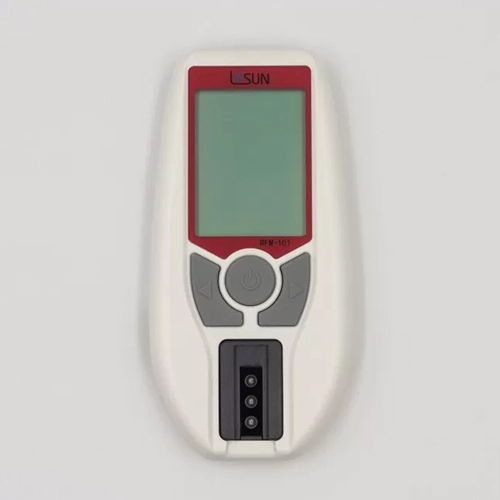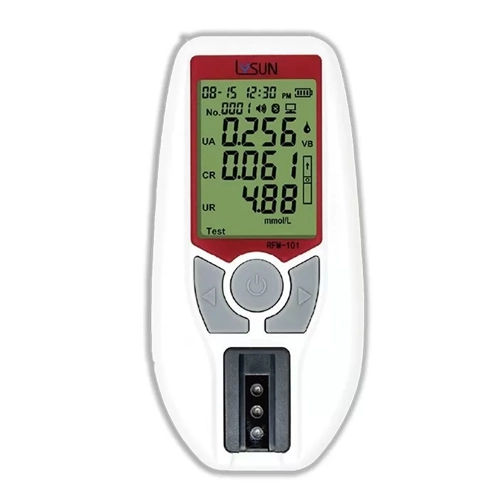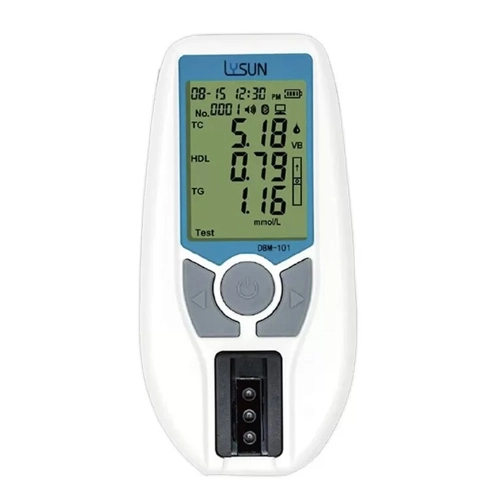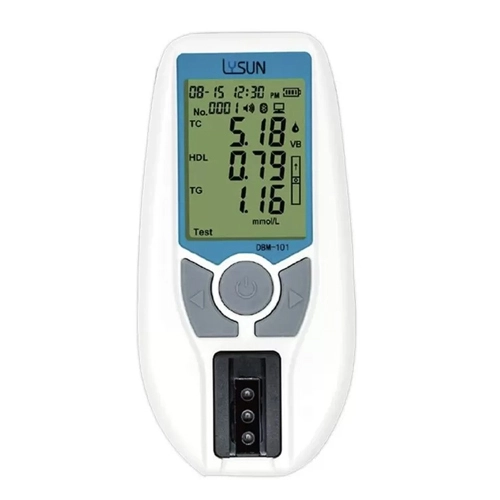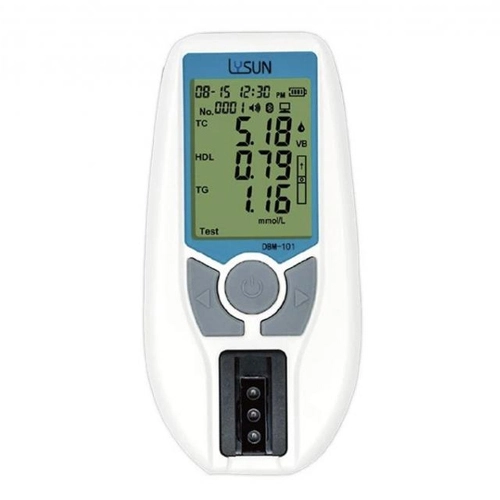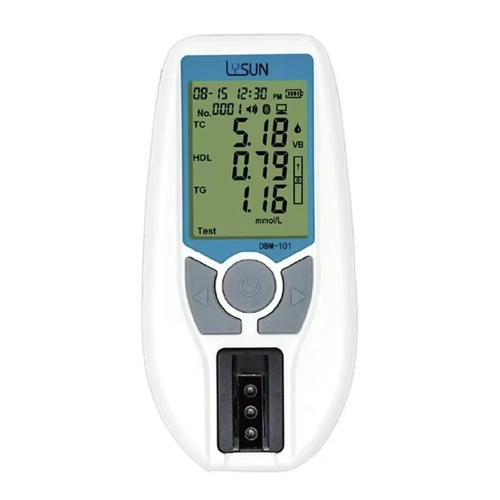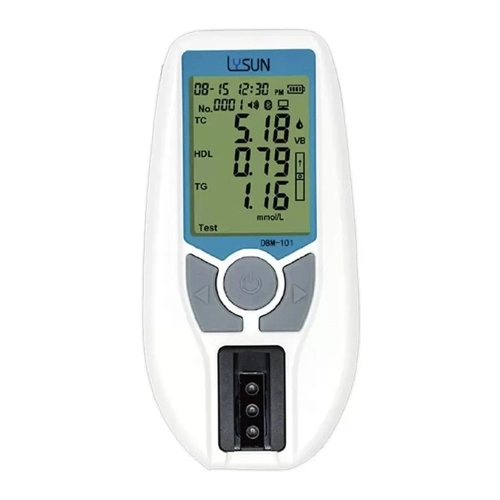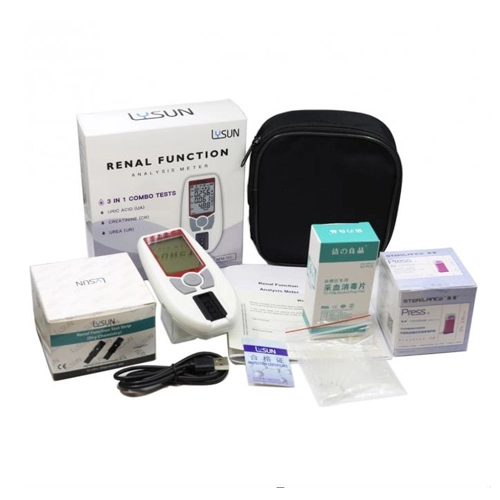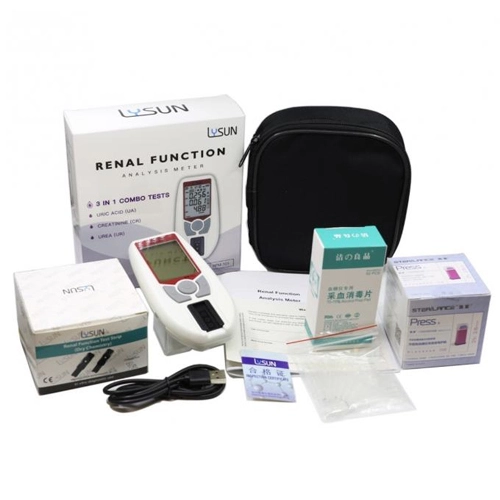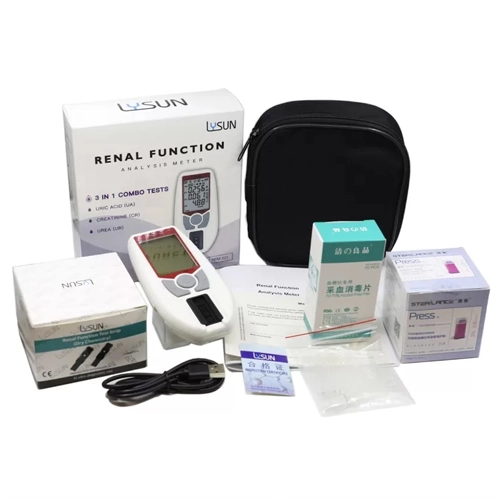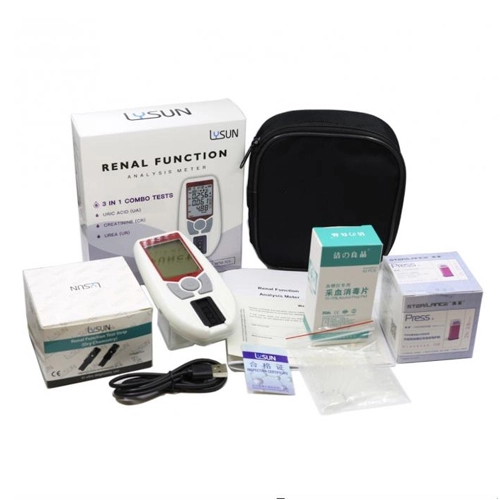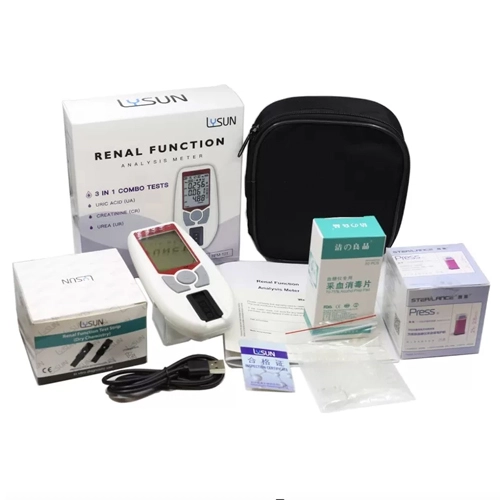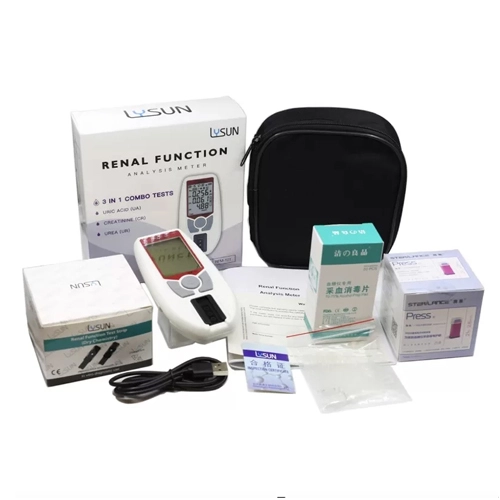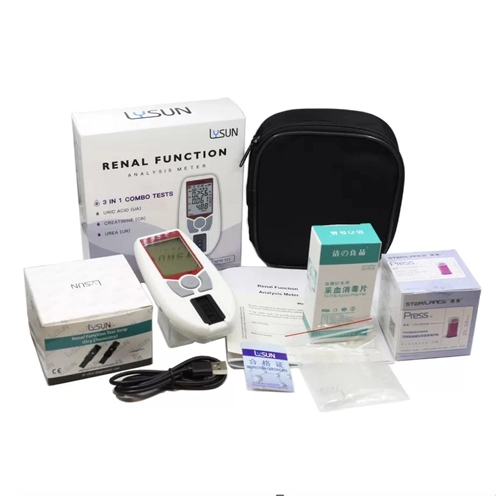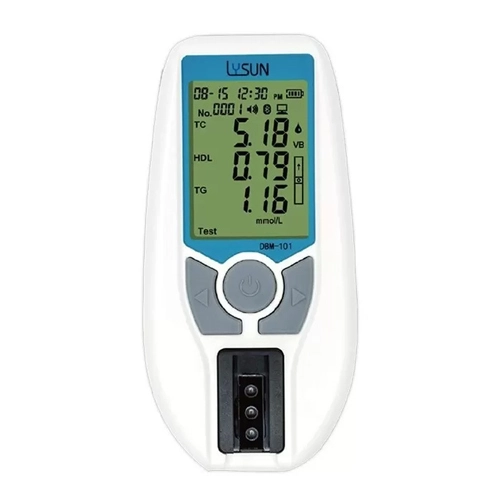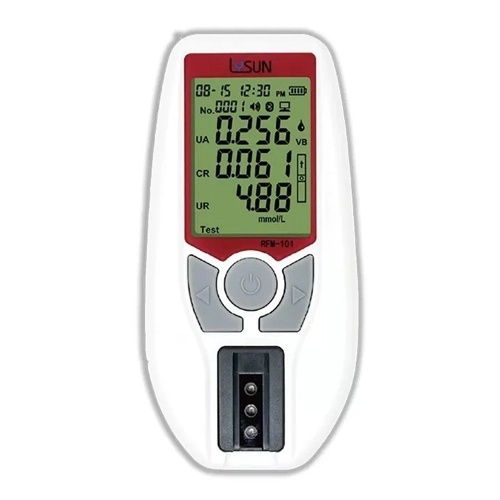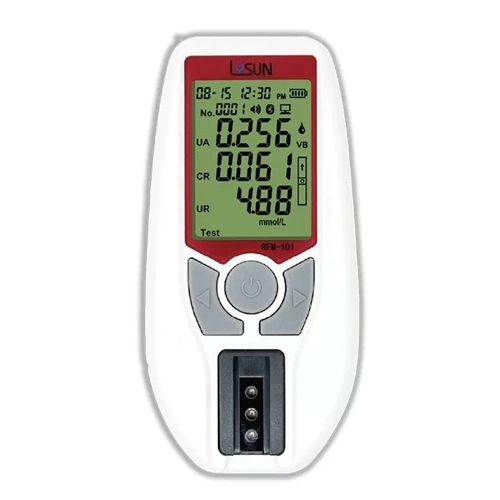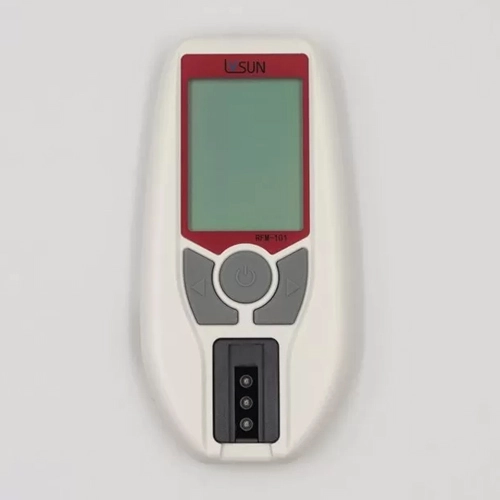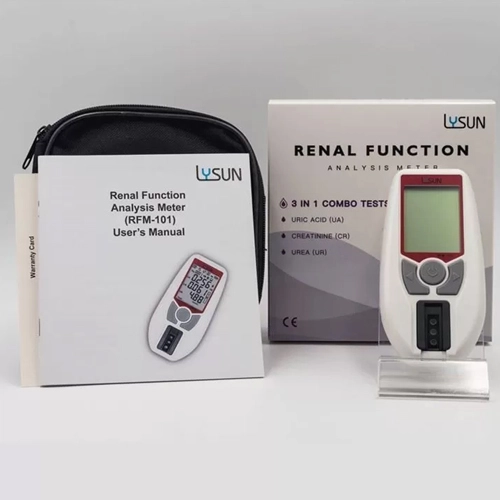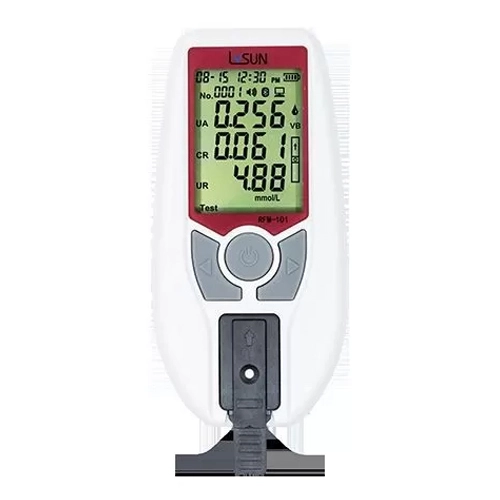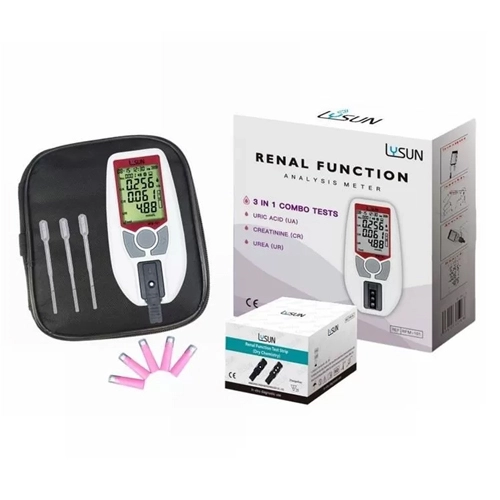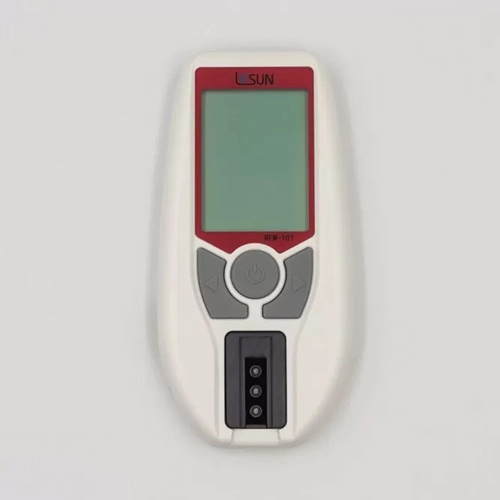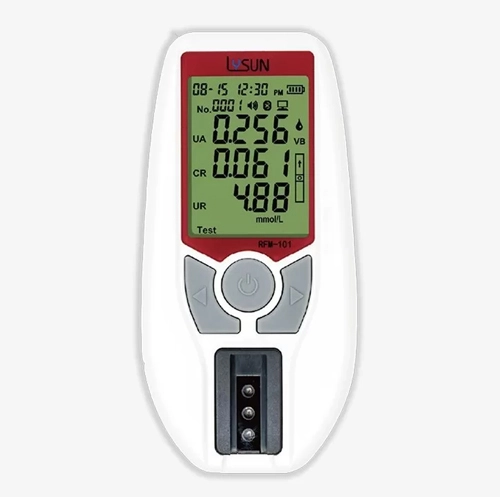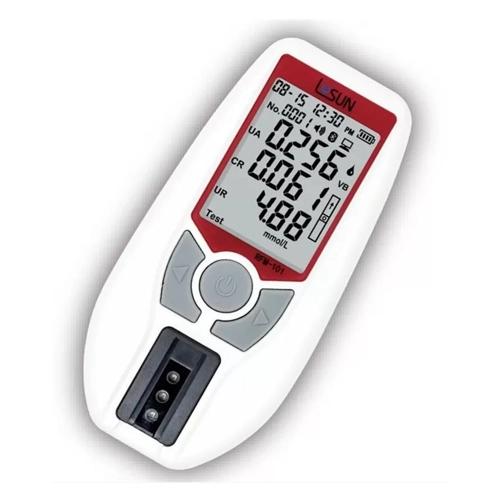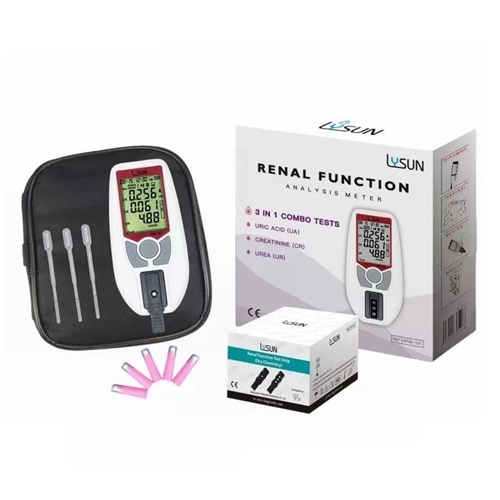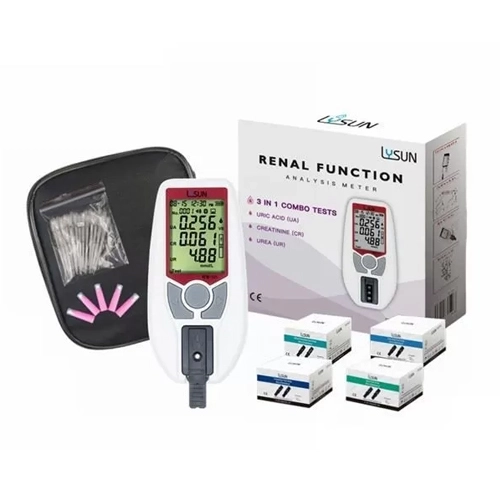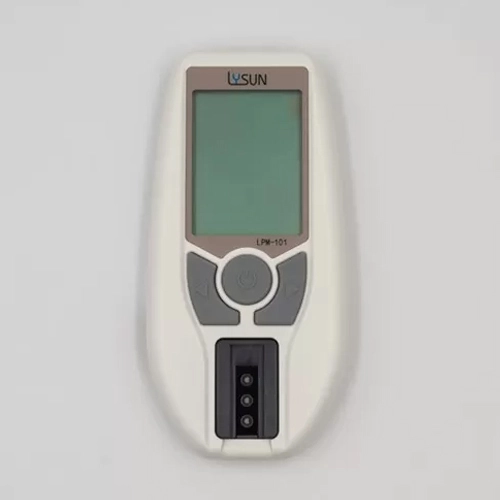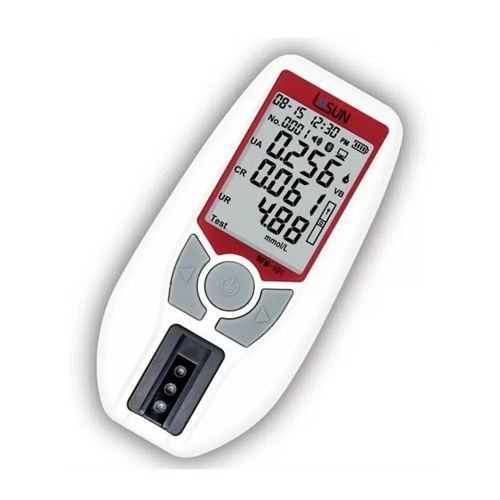
Lina Medical Renal Function Tester is a diagnostic device for assessing kidney function through non-invasive, accurate measurements.
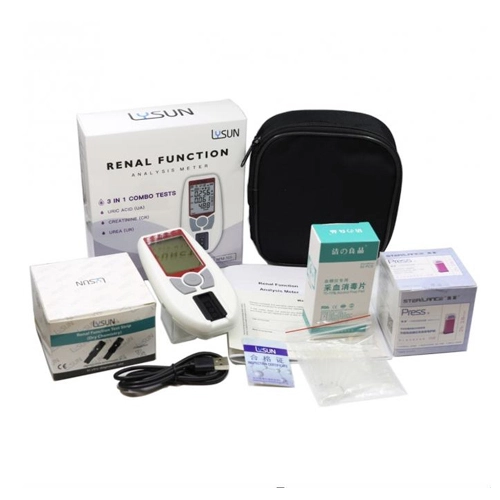
A renal function analyzer uses dry biochemical testing technology and reflectance photometry to measure kidney-related biomarkers from a small blood sample. After a test strip is inserted and the specimen is applied, the analyzer automatically calculates concentrations of creatinine, uric acid, and urea, providing accurate results within minutes. This rapid testing capability makes portable renal function analyzers ideal for hospitals, clinics, laboratories, and point-of-care settings.
The time it takes to get results from a renal function test can vary depending on the specific test and the laboratory processing it. Generally, basic blood tests like serum creatinine and blood urea nitrogen (BUN) can yield results within a few hours to a day. More comprehensive tests, such as a 24-hour urine collection for creatinine clearance, may take longer, typically 1-2 days. If the tests are conducted in a hospital setting, results may be available more quickly. Always consult your healthcare provider for the most accurate timeline based on your specific situation and testing facility.
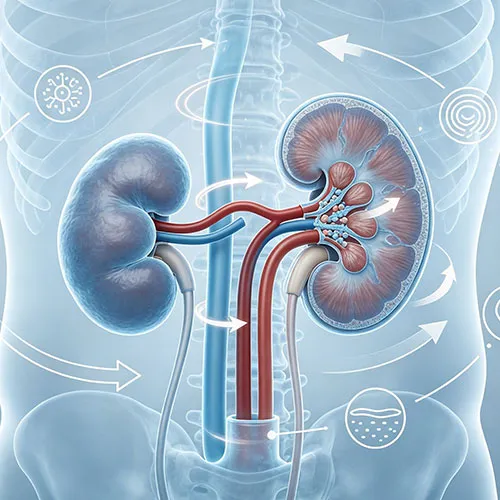
| Parameter | Clinical Significance |
| Creatinine (CR) | Evaluates filtration efficiency |
| Uric Acid (UA) | Monitors metabolic disorders |
| Urea (UR) | Assesses kidney waste removal |
Routine kidney disease screening.
Fast biochemical analysis.
Primary healthcare monitoring.
Long-term kidney function management.
Regular assessment of renal health indicators.
Technical & Sales Support